Start a Business in Maryland
Buying or building a business in Maryland starts with a decision most owners rush: how you will own it. Maryland business charters live at the tax assessment agency (SDAT), and the annual report doubles as the business personal property tax return.
Maryland at a glance
The risks, honestly
Buy a franchise
National medians — $49,500 franchise fee; $265K–$573K total initial investment; about 8% of gross every year in royalty + brand fund; 10-year median term; 85% of franchise agreements grant no exclusive territory.
Buy an existing business
$350,000 median sale price; on a typical financed deal about $75,000 a year goes to debt payments before the owner pays themselves; you inherit the staff, the reviews, the lease, and the books — good or bad.
Start it yourself, alone
About half of new businesses don't survive five years (U.S. Bureau of Labor Statistics); every mistake is yours, paid in full, usually while you're still learning the job.
Launch with Azgari
The expensive first-timer mistakes get caught before they cost you; you own 100% of the business and the brand; no royalties, no acquisition debt, no franchisor's rules; built and run through year one while you keep your job.
Watch the risks
The buy-a-business lane
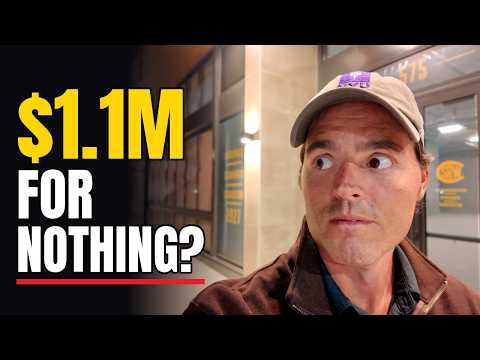 ▶
He paid for a car-transport business the seller himself called “selling air” — and lost it.
The start-alone lane
 ▶
A Las Vegas founder who nearly gave up after a fire, a pandemic, and his own pricing mistakes — then rebuilt.
The managed launch
Jamie Smith, a CPA by training, bought a Mr. Rooter Plumbing franchise serving Greater Baltimore and built it from the ground up — when he lost his master plumber two years in, he ran jobs himself until a fellow franchisee and the brand's president steadied him.
The managed launch
“I wouldn't be where I am today without them. Rule breakers like Ferran Adria taught me to always take risks, to question and think creatively, outside the box.”
Doing business in Maryland’s cities
Baltimore
Baltimore — major port city anchored by Johns Hopkins medicine and research.
Pros
- Johns Hopkins University and Medicine, Maryland's largest private employer group, drive research demand.
- The Port of Baltimore is a leading roll-on/roll-off and auto cargo port.
- Interstate 95, BWI Airport and Amtrak give regional freight and travel access.
Cons
- The city lost population since 2010, per Census QuickFacts, shrinking its customer base.
- Port and waterfront operations face Chesapeake Bay flood and storm exposure.
- Vacant and older industrial property can require substantial remediation.
Annapolis
Annapolis — Maryland's capital and home of the U.S. Naval Academy.
Pros
- State government provides stable employment and vendor demand in the capital.
- The U.S. Naval Academy anchors federal, education and visitor activity.
- Sailing, tourism and Chesapeake Bay marine services support hospitality and boat businesses.
Cons
- The city is small, so the local labor pool and office supply are limited.
- Downtown and waterfront areas face tidal flooding from the Chesapeake Bay.
- Housing costs are high relative to most Maryland cities outside the Washington suburbs.
Frederick
Frederick — biotech and federal research city northwest of Washington.
Pros
- Fort Detrick hosts Army medical research and the Frederick National Laboratory for Cancer Research.
- Life-sciences firms cluster near the Interstate 270 corridor linking Frederick to Rockville and Bethesda.
- A preserved historic downtown supports retail, restaurants and professional offices.
Cons
- Interstate 270 commuting toward Washington is heavily congested at peak times.
- Much biotech demand depends on federal research budgets and contracts.
- Growth has pushed housing costs well above western Maryland levels.
Rockville
Rockville — Montgomery County seat on the Interstate 270 biotech corridor.
Pros
- Life-sciences, technology and government-contracting firms cluster along Interstate 270 near federal research agencies.
- Washington Metro Red Line and MARC service connect Rockville to Washington, D.C.
- County government and nearby National Institutes of Health activity support professional-services demand.
Cons
- Housing and labor costs reflect the Washington, D.C. metro premium.
- Traffic on Interstate 270 and Rockville Pike is a daily operating constraint.
- Lab and office tenants compete with larger firms in Bethesda and Gaithersburg.
Why owners who want control choose this path
Full control
Your brand, your prices, your territory, your calls. No franchisor can veto, rebrand, or non-renew you.
Yours for the long term
No 10-year term clock, no renewal fees, no transfer approval. The business and the brand are assets you own outright — to grow, hand down, or sell.
Less expensive to start
Azgari's all-in launch and first-year management stays under $265,000 in total — and in Maryland that buys a business formed for $100 and owned outright, with no royalties and no franchisor. The full package comparison is on the Pricing page.
Forming in Maryland
The Maryland trap owners miss
The $300 Form 1 is owed every year even if the business owns no property, earned no income, and did nothing at all; non-filing brings percentage penalties, an estimated assessment at twice the value of the personal property, and forfeiture of the charter.
Launching in Maryland with Azgari
You bring the decision. Azgari builds the business, hires and trains the first team, and runs it through year one while you keep your job — then hands you a business you own outright.
Book a Consultation
Build-or-Buy Decision Consultation
Start with a one-hour working session with Azgari Lipshy personally. You leave with a written plan that tells you which path fits and what it will cost. The fee is credited toward your launch if you sign.
Book a Consultation